
Green Card Update: New Visa Changes Come Into Effect

According to the U.S. Citizenship and Immigration Services (USCIS), several immigration-related fees will increase from January 1, 2026. Alongside price changes, President Donald Trump’s administration has introduced new security protocols for green card holders from 19 “high-risk” countries.
Why It Matters
Major changes to the United States immigration system include increased fees for various immigration services and intensified screening for green card holders from countries deemed high-risk.
These changes will affect asylum-seekers, green card applicants, employers, and U.S. businesses, with ripple effects expected across the labor market, family reunification processes, and international travel.
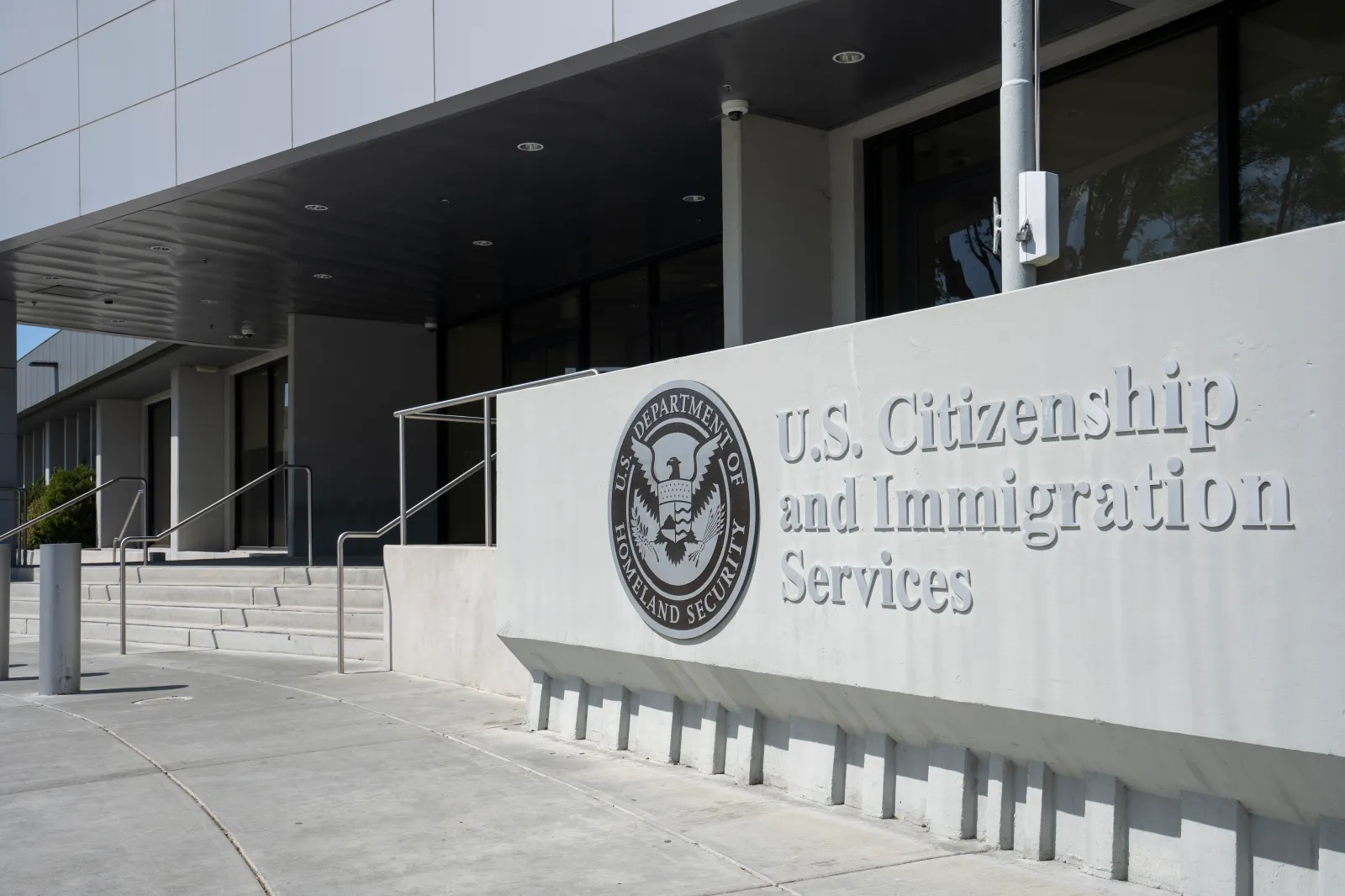
Stock image of the United States Citizenship and Immigration Services San Jose Field Office in Santa Clara, California. | hapabapa/Getty Images
What To Know
From January 1, 2026, applicants must pay revised fees or risk having their requests rejected.
According to the USCIS, the updated fees are as follows:
Annual Asylum Application Fee (Pending asylum cases)
Previous fee: $100
New fee: $102
Form I-765, Initial Asylum Applicant Employment Authorization Document (EAD)
Previous fee: $550
New fee: $560
Form I‑765—Initial Parole EAD
Previous fee: $550
New fee: $560
Form I‑765—Renewal/Extension of Parole EAD
Previous fee: $275
New fee: $280
Form I‑765—Initial TPS EAD
Previous fee: $550
New fee: $560
Form I‑765—Renewal/Extension of TPS EAD
Previous fee: $275
New fee: $280
Form I‑131, Part 9—Re‑parole EAD
Previous fee: $275
New fee: $280
Form I‑821—TPS Application
Previous fee: $500
New fee: $510
The increased security protocols for green card applicants from high-risk countries include:
- Intensified Screening: Green card holders and applicants from 19 countries—including Afghanistan, Iran, Somalia, Sudan, Yemen, Cuba, Venezuela, and Turkmenistan—will face comprehensive reviews of their residency status.
- Expanded Entry Bans: A complete entry ban has been imposed on citizens from 12 countries—including Afghanistan, Iran, Somalia, Sudan, and Yemen—while partial restrictions affect nationals of seven other nations.
- Biometric Controls: Non-U.S. citizens, including lawful permanent residents, will undergo enhanced biometric screening at points of entry and exit. This includes photographs and, in some cases, fingerprints or iris scans.
What People Are Saying
In the official USCIS release, service Director Joseph Edlow said: “Protecting Americans is at the center of everything we do at USCIS. We are committed to safeguarding public safety and national security by making sure every alien undergoes the most rigorous vetting and screening processes possible,
U.S. Customs and Border Protection explained, in its Federal Register filing: “Implementing an integrated biometric entry-exit system that compares biometric data of aliens collected upon arrival with biometric data collected upon departure helps address the national security concerns arising from the threat of terrorism, the fraudulent use of legitimate travel documentation, aliens who remain in the United States beyond their period of authorized stay (overstays) or are present in the United States without being admitted or paroled, as well as incorrect or incomplete biographic data for travelers.”
Attorney Abhinav Tripathi previously told Newsweek: “These are predictable inflation updates, but they fall squarely on communities with the least financial stability. Many asylum-seekers and parole applicants arrive with limited resources and are trying to secure the right to work and rebuild their lives. A $10 or $20 rise may appear modest, yet for someone choosing between filing a form or paying rent, it can alter timing and access. The increases are marginal, but the circumstances of those affected are anything but.”
What Happens Next
The new immigration fees and tightened security protocols take effect January 1, 2026. USCIS has urged all applicants to verify updated fee amounts before filing to avoid applications being rejected.
Green card holders from the affected countries should ensure all documents are current and consult immigration attorneys if traveling or awaiting status reviews.


Share with your Friends: